semi-permanent brows
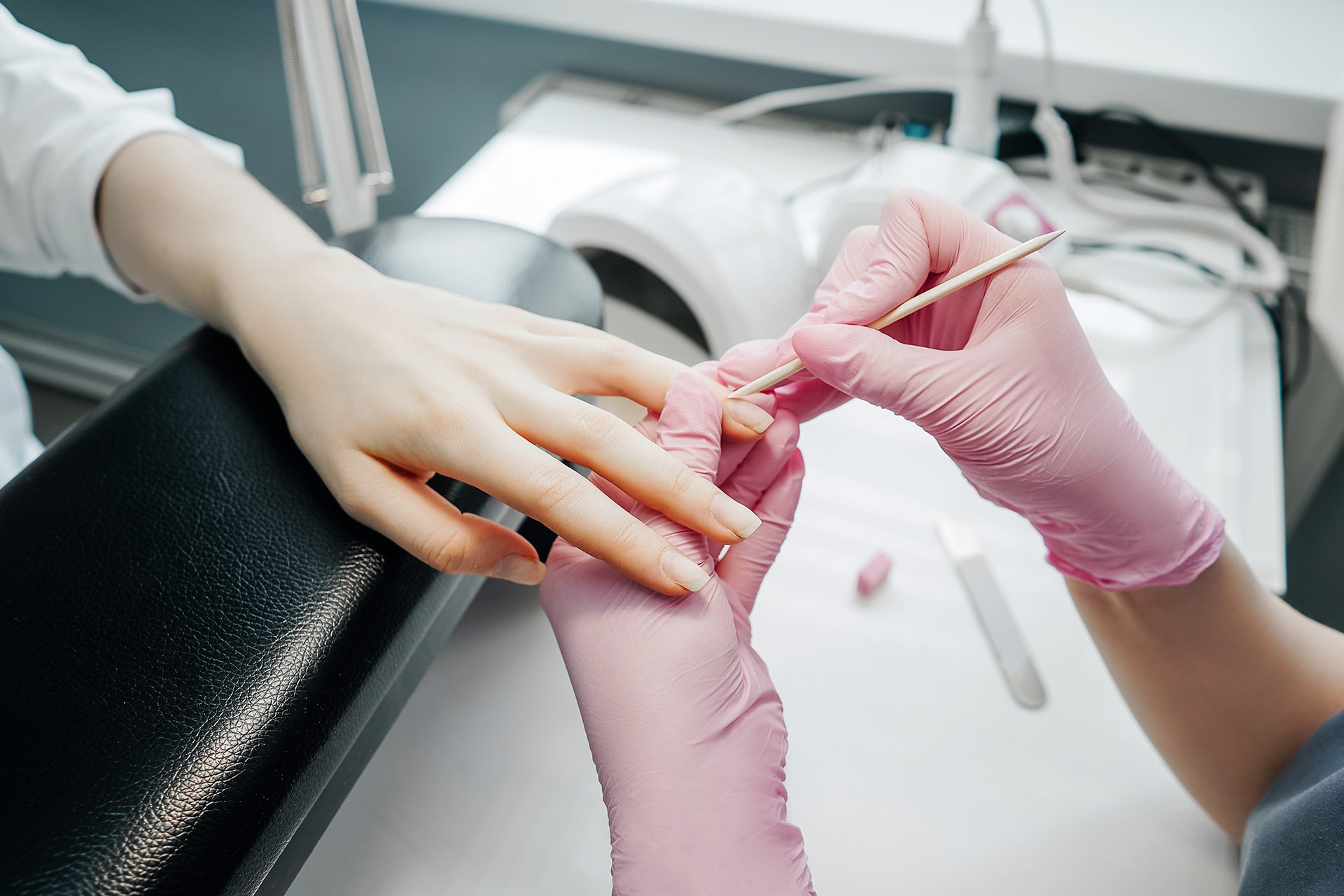
Beautician Doing Eyebrow Correction

Over the past decade, the beauty industry has seen an evolution in how we approach facial aesthetics, and one area that has gained significant traction is semi-permanent makeup (SPMU). Among its offerings, semi-permanent brows have rapidly become a leading choice for those looking to enhance their facial features with long-lasting results. 

Gone are the days of painstakingly filling in eyebrows each morning, only for them to smudge, fade or wash away. Thanks to advancements in cosmetic tattooing, semi-permanent brows offer a flawless, low-maintenance solution that aligns perfectly with the demands of modern living. 

In this comprehensive guide, we’ll explore the rise of semi-permanent brows, how they work, the different types available, aftercare tips, risks to consider, and what to expect from a reputable practitioner in the UK. 

What Are Semi-Permanent Brows? 

Semi-permanent brows refer to a form of cosmetic tattooing where pigment is deposited into the upper layers of the skin using a handheld tool or machine. The goal is to mimic the appearance of natural eyebrow hairs or to create a fuller, more defined brow shape. This technique does not penetrate as deeply as traditional tattoos, which is why the results are not permanent and typically fade over time. 

Unlike eyebrow pencils or powders, semi-permanent brows remain intact regardless of water, sweat, or weather. They provide consistent shape and colour, removing the daily hassle of brow maintenance and helping people save time while looking polished every day. 

Why Have They Become So Popular? 

The surge in demand for semi-permanent brows can be attributed to several cultural and technological factors. First, the rise of social media has placed greater emphasis on facial symmetry and camera-ready appearances. Eyebrows frame the face and can significantly affect one’s expression, making them a key focus in beauty routines. 

Secondly, technological innovation has led to more refined tools and techniques, enabling results that look increasingly natural. Many clients today can barely distinguish between real eyebrow hairs and well-done semi-permanent brows

In addition, public figures and celebrities have played a role in normalising and promoting the treatment. Well-known personalities have been open about undergoing SPMU procedures, helping to remove any stigma and encouraging wider acceptance. 

Types of Semi-Permanent Brow Techniques 

There is no one-size-fits-all when it comes to semi-permanent brows. Clients can choose from various methods depending on their skin type, aesthetic goals, and lifestyle. 

Microblading 

Perhaps the most well-known technique, microblading involves using a handheld tool with fine needles to create hair-like strokes. It is ideal for those with dry to normal skin and aims to create a very natural appearance. 

Ombre Brows 

This technique uses a machine to create a soft, powdered effect that resembles brow makeup. The colour is more concentrated at the tail and lighter at the front, creating a gradient look. Ombre brows are great for oily skin types or those who prefer a more polished appearance. 

Combination Brows 

As the name suggests, this technique blends microblading and ombre styles, offering both natural strokes and depth. It’s a versatile option for clients who want the best of both worlds. 

What to Expect During the Procedure 

The process for getting semi-permanent brows is relatively straightforward but requires professional care and attention to detail. 

The first step is usually a consultation, during which the practitioner discusses the client’s goals, skin type, and medical history. A patch test is often conducted to rule out allergies to the pigment. 

The practitioner will then map the brows based on facial symmetry and client preferences. This step is crucial, as semi-permanent brows will last for months or even years. 

Once both parties are happy with the shape, the pigment is applied. The entire procedure can take up to two hours. Some discomfort is to be expected, but numbing cream is usually applied to minimise pain. 

Aftercare Essentials 

Proper aftercare is critical in ensuring optimal healing and long-lasting results. The area may be red and slightly swollen for a few hours after the procedure. Scabbing is also normal during the healing process. 

Clients are typically advised to avoid: 

Touching or picking at the area 

Water, sweat, and steam exposure for at least a week 

Applying makeup on or near the brows during the healing phase 

A follow-up appointment is often required 4–6 weeks after the initial procedure to make any necessary adjustments. 

For further guidance, reputable UK resources such as the NHS overview on cosmetic tattooing provide helpful aftercare information and safety tips. 

Who Are Semi-Permanent Brows Suitable For? 

One of the major appeals of semi-permanent brows is their suitability for a wide range of clients. Whether you have sparse brows, alopecia, or simply want a fuller look, this treatment offers a tailored solution. 

However, it is not suitable for everyone. Individuals with certain skin conditions (such as eczema or psoriasis on the brow area), or those who are pregnant or breastfeeding, are generally advised to postpone the treatment. 

Always ensure that a thorough consultation is carried out and that the technician is aware of any medications or medical history that might impact the healing process. 

How Long Do They Last? 

The longevity of semi-permanent brows varies depending on several factors, including skin type, lifestyle, and the technique used. On average, results last between 12 to 24 months. However, some clients may notice fading as early as six months, especially if they have oily skin or are frequently exposed to the sun. 

Top-up appointments are recommended every 12–18 months to maintain shape and colour vibrancy. 

Are There Any Risks Involved? 

Like all cosmetic procedures, semi-permanent brows come with some risks. These include allergic reactions, infections, and dissatisfaction with the outcome. This is why it’s essential to choose a qualified and experienced technician. 

In the UK, there is currently no legal requirement for practitioners to have specific qualifications in SPMU, but local councils do require registration for those offering tattooing or similar treatments. Clients should always check whether the practitioner is registered with their local authority and whether they follow hygiene best practices. 

Further safety guidance can be found on the Gov.uk page on licensing for tattooing

Choosing the Right Practitioner 

When it comes to semi-permanent brows, the skill of the practitioner is paramount. Look for someone with: 

A robust portfolio of before-and-after images 

Verified client reviews 

Clean, professional premises 

Relevant training and certifications 

You may also want to verify whether they have insurance and if they provide thorough aftercare instructions. 

In the UK, directories like Save Face list accredited practitioners for non-surgical treatments, offering peace of mind when choosing a provider. 

Maintenance and Touch-Ups 

Maintaining semi-permanent brows involves some commitment. While they are largely low-maintenance, avoiding certain skincare products that contain acids or retinols near the brow area can help prolong results. 

Top-up sessions are quick and generally less expensive than the initial treatment. They are an opportunity to correct any fading and refresh the pigment. 

Addressing Common Misconceptions 

There are several myths surrounding semi-permanent brows that can lead to hesitation or unrealistic expectations. One common belief is that the results will last forever, which is untrue. These treatments are designed to fade naturally over time. 

Another misconception is that the brows will look extremely bold or unnatural. While some techniques do offer more defined results, most clients opt for a soft and natural look. Advances in pigment formulation and technique allow for a more customised and subtle finish. 

Lastly, people often worry about pain. While some discomfort is expected, most clients compare the sensation to light scratching or tweezing, especially with the use of topical anaesthetics. 

The Future of Semi-Permanent Brows 

As the demand for semi-permanent brows continues to grow, so does the innovation in this space. New pigment technologies are being developed to ensure longer-lasting and safer results. Digital tools are helping practitioners map brows more accurately, and online training platforms are making quality education more accessible. 

There is also a growing focus on inclusivity, with techniques being adapted for various skin tones and hair textures. This ensures that more people can benefit from the confidence boost that well-shaped brows can provide. 

Sustainability is another area gaining attention. Eco-friendly tools and cruelty-free pigments are becoming more widely available, catering to the conscious consumer. 

Final Thoughts 

Semi-permanent brows represent the perfect fusion of artistry and technology. They cater to those who value convenience, aesthetics, and self-expression. With the right practitioner and proper aftercare, this treatment can dramatically improve one’s appearance and confidence. 

The rise in popularity of semi-permanent brows is no fad — it’s a reflection of our evolving beauty standards and the desire for smart, time-saving solutions. Whether you’re exploring the idea for the first time or looking to refresh your existing look, understanding the process empowers you to make the best choice for your needs. 

If you’re a beauty professional looking to add this in-demand service to your portfolio, training is key. At Qualia Aesthetics, we offer expert-led courses in SPMU techniques that are fully compliant with UK standards. Learn how to master the art of semi-permanent brows with confidence and safety at the core of everything we do.