The End of Remote Prescribing in Aesthetics: What It Means and How to Adapt Ethically 

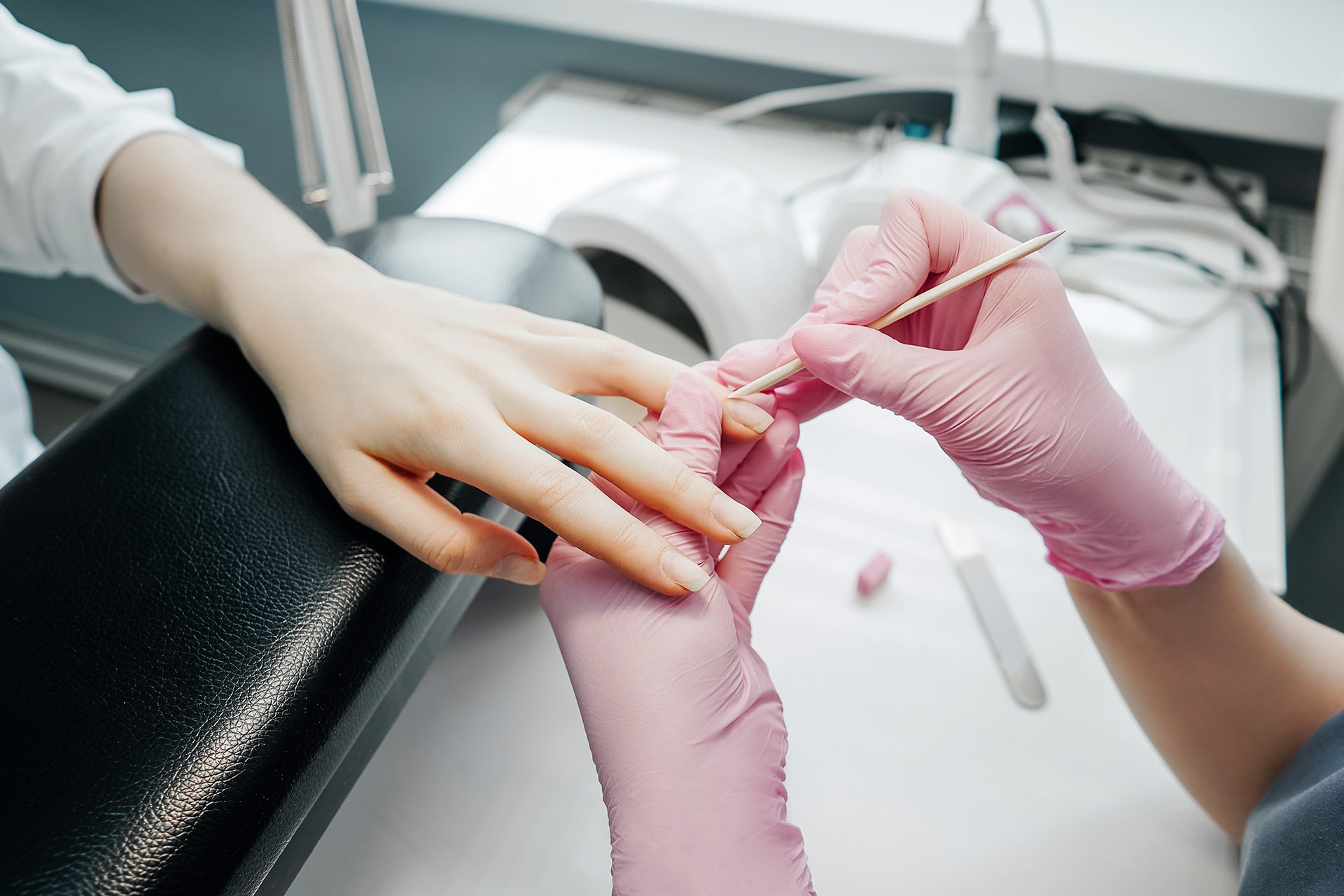
image of woman doing in person prescribing after end of remote prescribing in aesthetics.
Aesthetic doctor welcomes a patient at the beauty clinic

As of 29 April 2025, the end of remote prescribing in aesthetics became official in the UK. This landmark shift has significant implications for practitioners, prescribers, and clients alike. With this article, we unpack the impact of the new rules, what they mean for aesthetic professionals—especially non-prescribers—and offer ten ethical tips for navigating the transition responsibly. 

What Is Remote Prescribing? 

Remote prescribing involved a medical professional prescribing a prescription-only medicine (POM), such as botulinum toxin, without physically examining the patient in person. Instead, decisions were made via video call, digital form, or telephone consultation. 

This allowed non-prescribing aestheticians to access Botox and similar POMs through remote prescribers—commonly doctors or nurse prescribers operating on-demand and often without ever meeting the client face-to-face. 

Why Was Remote Prescribing Banned? 

The end of remote prescribing in aesthetics stems from persistent concerns raised by regulatory bodies, particularly around patient safety, misdiagnosis, illegal product distribution, and insufficient medical oversight

Key issues included: 

Following these concerns, a range of organisations—such as the General Medical Council (GMC), Nursing and Midwifery Council (NMC), General Dental Council (GDC), and Joint Council for Cosmetic Practitioners (JCCP)—reinforced guidance that in-person consultations are now mandatory before issuing a prescription for any POM in aesthetics. 

Who Is Impacted? 

The ban affects: 

Now, any prescription for treatments like botulinum toxin must come after a physical consultation with a prescriber—no exceptions. 

Legal & Ethical Framework 

Botulinum toxin remains a prescription-only medicine, and it is illegal under the Human Medicines Regulations 2012 to possess or administer it without a valid prescription issued after appropriate assessment. 

From a professional conduct standpoint: 

Business Implications for Aesthetic Practitioners 

While this policy shift is welcomed from a clinical safety perspective, it requires significant changes for many aesthetics businesses. 

Key Impacts: 

However, these growing pains are an opportunity to re-centre business models around quality, ethics, and compliance—which in the long run builds trust and sustainability. 

How to Adapt: Practical Strategies 

To remain compliant and continue offering safe, legal services, here are several strategies aesthetic practitioners can adopt. 

1. Build In-Person Prescriber Partnerships 

Find a local prescriber who can attend your clinic on designated days for face-to-face consultations. Establish clear workflows and shared patient care responsibilities. 

2. Train to Become a Prescriber 

If you hold a qualifying medical registration (e.g. NMC, GPhC), consider enrolling in an Independent Prescribing course at a university offering NMC/GPhC-approved training. 

3. Diversify Treatment Offerings 

Expand your services beyond POMs to include: 

4. Reassure and Educate Clients 

Inform your patients about the regulatory changes and why you are adapting your protocols. This builds credibility and sets you apart from less compliant competitors. 

10 Ethical Tips for Aestheticians After the End of Remote Prescribing in Aesthetics

Navigating the end of remote prescribing in aesthetics requires not just compliance, but strong ethical integrity. Here are ten practical tips to help maintain professionalism: 

1. Never Administer Botox Without a Valid, In-Person Consultation 

Do not allow convenience or client pressure to compromise legality or ethics. 

2. Verify Prescriber Credentials 

Only work with professionals registered with: 

Use their online registers to confirm active, unrestricted status. 

3. Do Not Stockpile Prescription Medications 

Possessing POMs without an active prescription tied to a named patient is illegal. Avoid holding excess Botox “just in case”. 

4. Maintain Comprehensive Treatment Records 

This includes: 

5. Stay Up to Date with CPD 

Pursue ethics, law, and clinical best practice training. CPD can future-proof your career and support insurance cover. 

6. Be Transparent with Patients 

Clarify your qualifications, and clearly explain how your new prescribing process works. 

7. Don’t Use Online Prescriber Services That Ignore the Rules 

If a prescriber offers to “sign off” a treatment based on photos or forms alone, avoid them. These practices are non-compliant post-April 2025

8. Support and Mentor Others in the Industry 

If you’re further ahead in adapting, share your knowledge. This helps elevate the industry as a whole. 

9. Report Non-Compliant Practitioners 

Unethical providers put patients and the entire industry at risk. Reporting misconduct protects your own practice and the public. 

10. Put Safety Before Profit 

Even if it means turning away a client, patient safety and legal compliance must always take precedence. 

Final Thoughts 

The end of remote prescribing in aesthetics might feel like a blow to convenience, but it’s a necessary correction to protect patients, uphold professional integrity, and deter unethical practice. 

For ethical aestheticians, this is a turning point. It’s time to build stronger collaborative partnerships, invest in compliance, and rebuild public confidence in the industry. With care, diligence, and adaptability, this new era can be not just a challenge—but a catalyst for excellence. At Qualia we care about ensuring all our aestheticians are as ethical as possible therefore we ensure our blogs include ethical practices. Check out our ethical client consultation blog here.

References & Sources 

  1. General Medical Council (GMC)Good Practice in Prescribing and Managing Medicines and Devices 
    https://www.gmc-uk.org/ethical-guidance/ethical-guidance-for-doctors/prescribing-and-managing-medicines-and-devices 
  1. Nursing & Midwifery Council (NMC)Standards for Prescribing Programmes 
    https://www.nmc.org.uk/standards/standards-for-post-registration/standards-for-prescribers/ 
  1. Joint Council for Cosmetic Practitioners (JCCP)Code of Practice and Prescribing Guidelines 
    https://www.jccp.org.uk/ 
  1. General Dental Council (GDC)Guidance on Prescribing Medicines 
    https://www.gdc-uk.org/docs/default-source/guidance-documents/prescribing-guidance 
  1. The Human Medicines Regulations 2012 – UK Government Legislation 
    https://www.legislation.gov.uk/uksi/2012/1916/contents/made