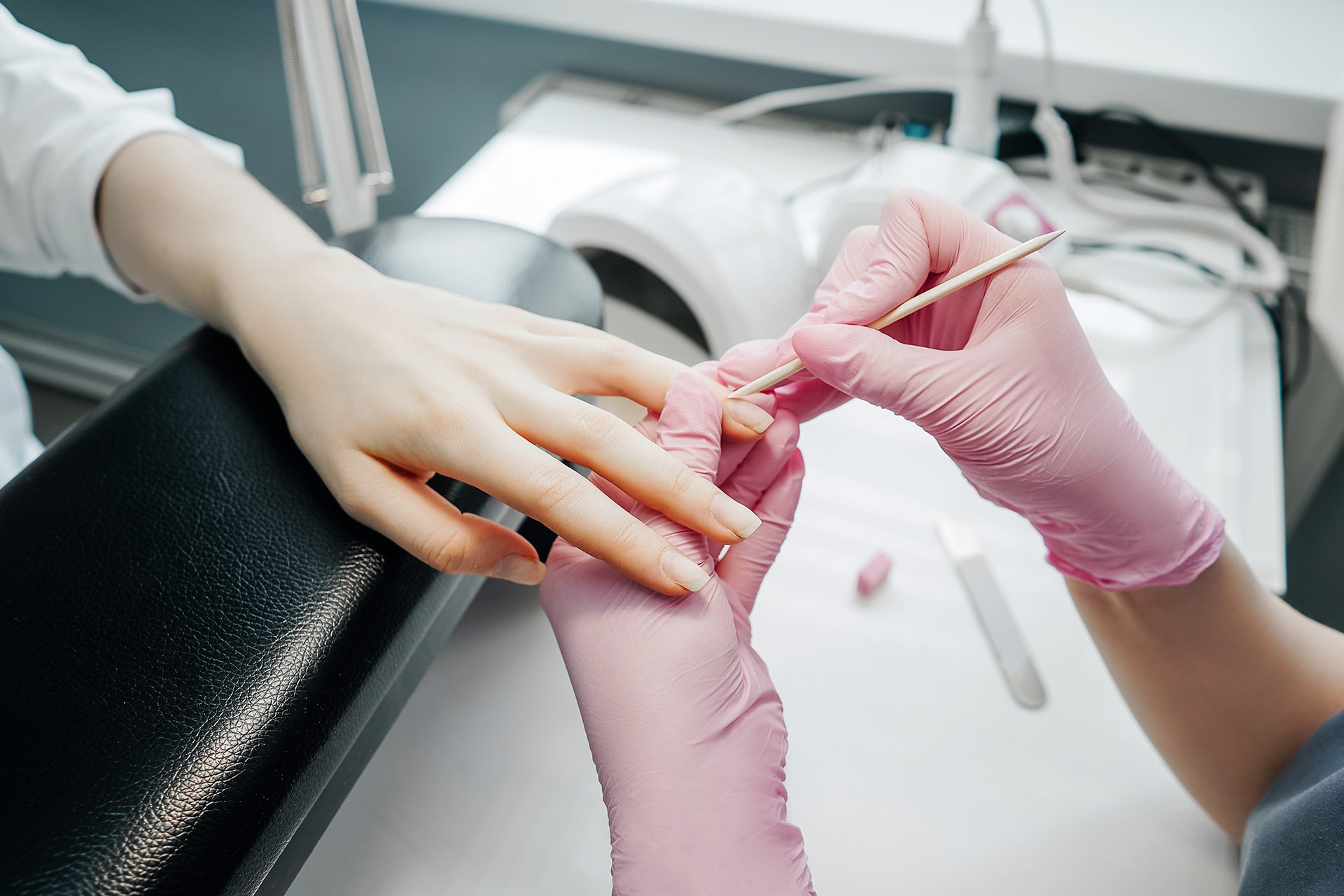
Woman receiving facial treatment with a microneedling device in clinic

Acne scars are a common concern that affects many people, often leaving visible marks long after the acne itself has cleared. The quest for smooth, clear skin has led to numerous treatments, with microneedling and laser therapy standing out as two of the most popular options. But when it comes to microneedling vs laser for acne scars, which is truly the better choice? This article dives into the details, comparing both treatments to help you make an informed decision. 

Understanding Acne Scars 

Before comparing microneedling vs laser treatments, it’s important to understand what acne scars are and why they form. Acne scars develop when the skin is damaged during the healing process of acne lesions. The skin either produces too much collagen, leading to raised scars, or too little, causing depressed scars. These scars can be categorised as ice pick, boxcar, or rolling scars, each with distinct characteristics that influence treatment outcomes. 

Acne scarring can significantly affect self-esteem and quality of life. Many individuals seek effective solutions to improve their skin texture and appearance. That’s where microneedling and laser treatments come in. 

What is Microneedling? 

Microneedling, also known as collagen induction therapy, involves using fine needles to create tiny punctures in the skin. These micro-injuries stimulate the body’s natural healing process, promoting collagen and elastin production. The increased collagen helps repair damaged skin, improving texture and reducing the appearance of scars. 

The procedure is minimally invasive and can be customised according to the severity of the acne scars and skin type. Microneedling devices vary from manual dermarollers to automated pens, offering different depths of penetration. Treatments are usually performed in a clinic setting, with some downtime but generally minimal side effects. 

What is Laser Treatment? 

Laser therapy for acne scars utilises concentrated light energy to target damaged skin. There are several types of laser treatments, primarily ablative and non-ablative lasers. 

Ablative lasers, such as CO2 and Erbium lasers, remove the top layers of damaged skin, encouraging new skin growth. Non-ablative lasers, like fractional lasers, heat the skin beneath the surface without removing the top layer, stimulating collagen production. 

Laser treatments can vary in intensity and recovery time depending on the type used. Generally, they are more aggressive than microneedling but can yield significant results in fewer sessions. 

Microneedling vs Laser: Treatment Process 

One key aspect when deciding between microneedling vs laser is understanding the treatment process and what it entails. 

Microneedling sessions typically last about 30 to 60 minutes. A topical numbing cream is applied beforehand to minimise discomfort. The practitioner moves the microneedling device over the scarred areas, creating controlled micro-injuries. The skin’s natural healing response activates, gradually improving the skin over several weeks. Multiple sessions (usually 3 to 6) spaced 4 to 6 weeks apart are recommended for best results. 

Laser treatments can take between 30 minutes and an hour, depending on the area and type of laser. Ablative lasers often require a longer recovery period, as they remove the outer skin layers. Non-ablative lasers have shorter downtime but may require more sessions to achieve desired results. Generally, laser treatments can offer faster results but come with higher risks of side effects. 

Effectiveness for Different Types of Acne Scars 

Not all acne scars respond equally to treatment. The type and depth of scars influence whether microneedling or laser will be more effective. 

Microneedling is particularly effective for rolling scars and shallow boxcar scars. It improves skin texture and elasticity by stimulating collagen in the deeper skin layers without damaging the surface significantly. However, it might be less effective for deep ice pick scars. 

Laser treatment, especially ablative lasers, can treat a wider range of scar types, including deep and severe scars. The ablative laser’s ability to resurface the skin makes it a strong choice for more stubborn scars. However, it can carry risks of pigmentation changes, especially in darker skin tones. 

Side Effects and Risks 

When weighing microneedling vs laser for acne scars, considering the side effects is crucial. 

Microneedling generally has a favourable safety profile. Common side effects include temporary redness, mild swelling, and minor skin irritation, which usually subside within a few days. The risk of pigmentation changes or scarring is low when performed by a trained professional. 

Laser treatments, particularly ablative lasers, carry a higher risk of side effects. These can include redness, swelling, blistering, scabbing, and changes in skin pigmentation. In some cases, infections or prolonged healing may occur. People with darker skin tones may have an increased risk of hyperpigmentation or hypopigmentation. 

Pain and Downtime 

Pain tolerance and recovery time are important factors for many people choosing between microneedling vs laser. 

Microneedling is often described as mildly uncomfortable but generally well-tolerated with numbing cream. Downtime is minimal, usually involving a few days of redness and sensitivity, similar to a mild sunburn. 

Laser treatments, especially ablative types, can be more painful and require a longer recovery. Some patients may need up to two weeks for full healing, with strict aftercare to prevent complications. Non-ablative lasers have less downtime but may not deliver the same dramatic results. 

Cost Comparison 

Cost is another consideration when choosing between microneedling vs laser treatments for acne scars. 

Microneedling sessions tend to be more affordable, with prices typically ranging from £100 to £300 per session in the UK. The total cost depends on the number of sessions required and the clinic’s pricing. 

Laser treatments usually cost more due to the advanced technology and equipment involved. Sessions can range from £250 to £600 or more, especially for ablative lasers. The overall cost depends on the type of laser and the number of sessions. 

Many clinics offer packages or courses, which can provide better value for multiple treatments. 

Suitability for Different Skin Types 

Skin type plays a significant role in deciding the best acne scar treatment. 

Microneedling is considered safe for all skin types, including darker complexions, with a low risk of pigmentation changes. This makes it a versatile option for many people. 

Laser treatments can be more complex in this regard. Ablative lasers are generally riskier for darker skin tones due to potential pigmentation issues. Non-ablative fractional lasers are safer alternatives but may require more treatments to see results. 

Consultation with a specialist experienced in skin types is essential before undergoing laser treatment. 

Scientific Evidence and Results 

Studies comparing microneedling vs laser for acne scars show both are effective, but with different strengths. 

Microneedling has been shown to improve skin texture, reduce scar depth, and stimulate collagen synthesis. Research published in journals such as the Journal of Clinical and Aesthetic Dermatology highlights its efficacy and safety profile. 

Laser treatments, particularly fractional CO2 lasers, have demonstrated significant improvements in scar appearance, sometimes with faster results. Clinical trials indicate superior outcomes for deep scars when compared to microneedling, though at the cost of increased side effects and downtime. 

Ultimately, treatment choice depends on scar type, skin type, budget, and personal preference. 

Combining Microneedling and Laser Treatments 

In some cases, combining microneedling and laser treatments can offer enhanced results. Sequential treatment can help optimise collagen production while minimising risks. 

A typical approach may start with microneedling to improve skin condition, followed by targeted laser sessions for stubborn scars. This method should only be undertaken under professional supervision to avoid complications. 

Aftercare and Maintenance 

Regardless of whether you choose microneedling or laser therapy, proper aftercare is vital for the best results and to prevent complications. 

After microneedling, the skin is sensitive and requires gentle care. Avoiding sun exposure, using soothing moisturisers, and refraining from makeup for at least 24 hours helps the skin heal. 

Laser treatments require more intensive aftercare. Keeping the skin moisturised, avoiding direct sunlight, and following the practitioner’s instructions on cleansing and skincare are essential. 

Regular follow-up treatments and maintenance sessions may be recommended for sustained improvement. 

How to Choose the Right Treatment for You 

Deciding between microneedling vs laser for acne scars involves assessing multiple factors. 

Consider your scar type and severity. For mild to moderate scars, microneedling might be sufficient. For more severe scarring, laser treatment may be more effective. 

Evaluate your skin type, budget, tolerance for downtime, and pain threshold. Discuss these aspects with a qualified practitioner who can tailor a treatment plan suited to your needs. 

Many dermatologists and aesthetic clinics in the UK offer consultations to help you understand your options. The British Association of Dermatologists provides useful resources on skin treatments here

Where to Get Microneedling and Laser Treatments in the UK 

The UK has many reputable clinics offering both microneedling and laser treatments. When choosing a clinic, ensure they use medically approved devices and employ certified practitioners. 

The National Health Service (NHS) occasionally provides treatments for severe scarring, but many opt for private clinics for cosmetic improvement. 

Reputable clinics usually provide detailed consultations, discuss realistic outcomes, and explain potential risks. 

If you are interested in learning how to perform microneedling treatments professionally, the British Association of Beauty Therapy & Cosmetology (BABTAC) offers accredited training courses. 

Why Training in Microneedling Matters 

If you are a practitioner or aspiring aesthetician, understanding the differences between microneedling vs laser is essential. Proper training ensures treatments are safe, effective, and tailored to client needs. 

Microneedling requires knowledge of skin anatomy, hygiene, device handling, and aftercare management. Training also covers client consultation, contraindications, and treatment planning. 

Well-trained professionals reduce the risk of complications and deliver optimal results, helping clients regain confidence. 

Final Thoughts 

Choosing between microneedling vs laser for acne scars depends on a variety of factors including scar type, skin tone, cost, downtime, and desired results. Both treatments have proven effectiveness but suit different needs. 

Microneedling offers a less invasive, lower-cost option with minimal downtime and suitability for all skin types. Laser treatments provide powerful resurfacing capabilities but come with higher costs and longer recovery. 

Consulting with a qualified skincare professional is the best way to decide which treatment is right for you. They can assess your scars and skin type, discuss your goals, and create a personalised treatment plan. 

If you want to learn more about microneedling, including professional training courses to become a qualified practitioner, visit Qualia Aesthetics. Qualia provides comprehensive training to help you master microneedling techniques safely and effectively.