Dermal Fillers - Training
Home / Service Detail
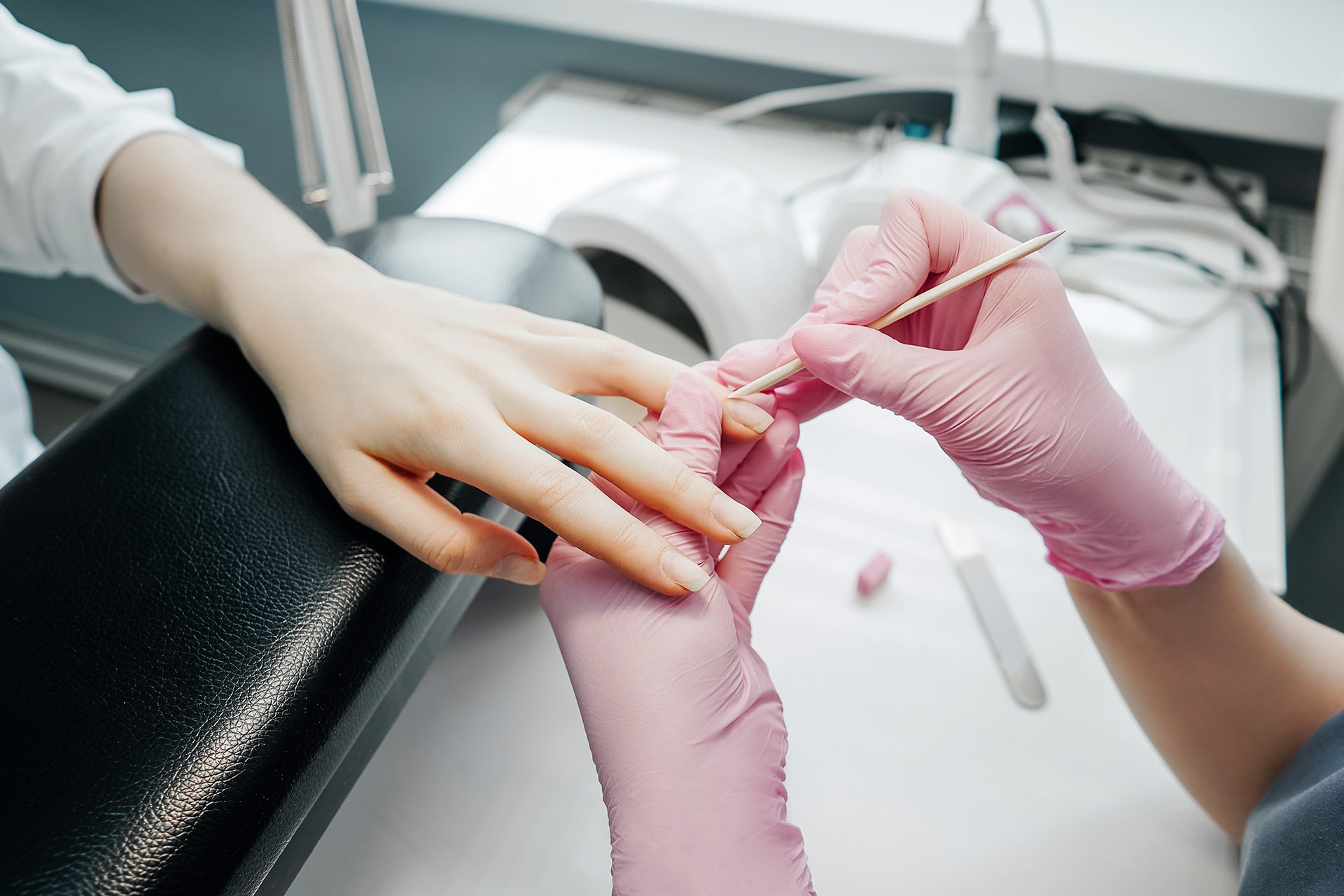
Let's Beautify Your Nails
- Qualia
- Training Detail
Ut tincidunt sapien ipsum, sed efficitur erat eleifend ut. In venenatis mauris vel est vehicula, nec aliquet dui pellentesque. Proin porta arcu eget nunc laoreet, vel vehicula tellus iaculis. Donec convallis dui a justo mollis sodales. Aenean ut magna leo. Pellentesque interdum vestibulum luctus. Nam maximus odio eget purus faucibus accumsan. Fusce dictum sed ante vel mattis. Proin malesuada ornare sapien, vulputate pretium leo. Suspendisse vel gravida mi. Quisque purus purus, feugiat quis nisi vel, porttitor volutpat nisl. Phasellus urna nunc, bibendum nec magna in, sagittis pretium quam.
Vestibulum luctus lobortis est eget finibus. Ut at diam at ligula luctus lobortis. Vivamus euismod in quam eget ornare. Phasellus mollis est non laoreet lacinia. Aenean finibus orci nec lorem lobortis posuere. Nam in cursus justo, in lobortis augue. Aliquam fermentum ex eget velit ultricies, sed fermentum augue aliquam. In pellentesque nunc sem, non pellentesque tellus posuere non.
The Training Includes (but not limited to)
- Relevant A&P
- Health, Safety & Legislation
- Consultation & Contraindication
- Treatment Protocol & Contractions
- Record Keeping & Insurance
- Complications & After Care
- Managing Expectations & Complaints
- Product Knowledge
Our MD has extensive experience of working with a wide variety of Awarding Organisations and runs a Government funded training academy. All of our training is delivered to the same, high, standard that the regulated delivery is at.
This results in the courses being adapted to suit your learning needs, the curriculum flowing, and being coherent. This also includes you getting feedback on your written assignments and the quality is internally assured by an Internal Quality Assurer, even on our CPD courses.
You will be given access to our online learning platform, where you will complete your written assignments and you will get feedback.
Our courses can be purchased alongside our marketing and business support services. We provide services for setting up an academy, marketing your academy, and re-strategising your business’s value. Our services are provided by our MD (either direct or guided our experienced team), who has an Interactive Multimedia degree, a Masters in Business Administration, Level 5 teaching, Level 3 assessors, Level 4 lead IQA and is currently doing a PhD in Management – Entrepreneurship.
Our MD has experience of 20 years, running businesses in marketing, along with her Level 2,3,4 and all aesthetics treatments, providing services since 2006.
Get 5% discount or free website (1 page, 3 sections) for purchases over £1999
Other Training
- Entry to Aesthetics
- Aesthetics Practitioner
- Mesotherapy & Skin Boosters
- Derma Pen & Dermaroller
- Dermal Fillers
- Anti-Wrinkle