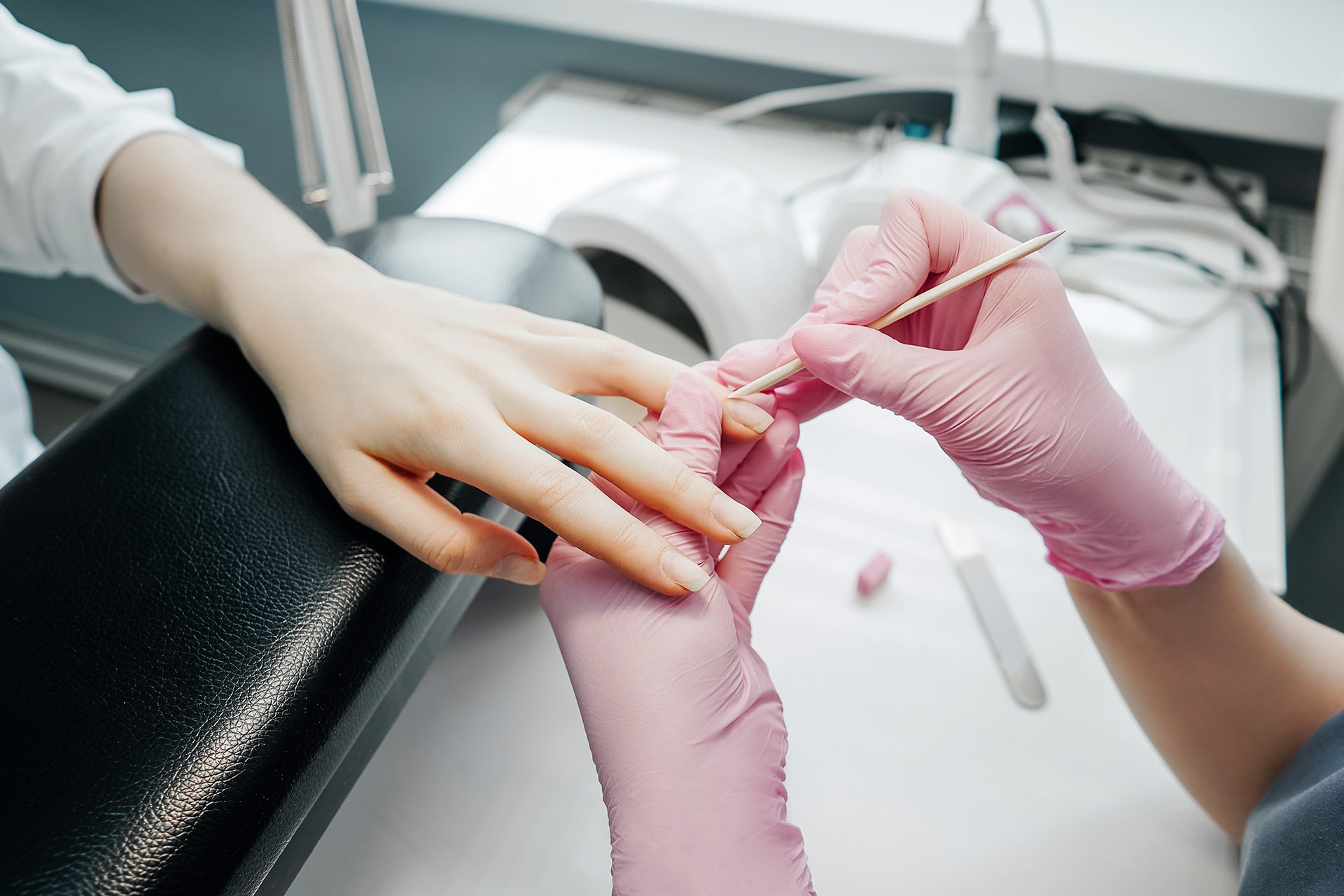
Aesthetic doctor using emotional intelligence to understand the client.

In the world of aesthetic treatments, the ability to connect with clients on an emotional level is just as important as technical expertise. Emotional intelligence (EI) plays a crucial role in enhancing the practitioner-client relationship, ensuring that clients feel heard, understood, and supported throughout their aesthetic journey. At Qualia Skin, we believe that incorporating emotional intelligence into our practice is key to delivering exceptional results and an overall satisfying experience for our clients. 

This blog will explore how emotional intelligence can improve practitioner-client relationships, elevate treatment outcomes, and increase overall satisfaction in skincare. Whether you’re a skincare professional or a client considering an aesthetic treatment, understanding the importance of EI in this context can help foster better communication, trust, and long-term success. 

What is Emotional Intelligence in Aesthetic Practice? 

Emotional intelligence refers to the ability to recognise, understand, manage, and influence emotions in both oneself and others. In aesthetic practice, emotional intelligence involves being attuned to a client’s emotional needs, responding empathetically, and creating an environment where they feel comfortable, respected, and supported. 

The Five Key Components of Emotional Intelligence 

Emotional intelligence can be broken down into five main components, each of which plays a role in aesthetic practice: 

  1. Self-Awareness: The ability to recognise and understand your own emotions and how they influence your interactions with clients. 
  1. Self-Regulation: Managing your emotions in a healthy way, especially in high-pressure or sensitive situations. 
  1. Motivation: Being driven by goals and the desire to create positive outcomes for your clients. 
  1. Empathy: The ability to understand and share the feelings of others, particularly clients seeking treatments to enhance their appearance. 
  1. Social Skills: Building and maintaining healthy relationships with clients, fostering trust and open communication. 

For aesthetic practitioners, these components are essential in creating an environment where clients feel valued and respected, ultimately contributing to better outcomes both physically and emotionally. 

The Importance of Emotional Intelligence in Practitioner-Client Relationships 

In aesthetic practice, building strong relationships with clients is paramount. Trust and communication are the foundations of any successful treatment, and emotional intelligence is key to fostering these essential elements. 

Creating a Safe and Comfortable Environment 

Many clients seek aesthetic treatments to improve their appearance or address insecurities, which can be an emotional experience. Having a practitioner with high emotional intelligence allows clients to feel comfortable sharing their concerns and desires, knowing that they will be met with empathy and respect. 

By demonstrating empathy, an aesthetic practitioner can make the client feel understood, helping to alleviate anxiety or discomfort. This emotional connection not only creates a more positive experience but can also lead to better treatment outcomes. When clients feel comfortable and secure, they are more likely to be open about their needs, ensuring that the treatment is aligned with their goals. 

Enhancing Communication and Trust 

Emotional intelligence in aesthetics also facilitates open, honest communication between practitioner and client. This includes listening carefully to a client’s concerns, explaining treatment options clearly, and setting realistic expectations. When a practitioner communicates effectively, the client is more likely to trust them, which is essential for ensuring satisfaction and achieving the best results. 

Trust is also crucial when it comes to client safety. Practitioners with high emotional intelligence can recognise when a client is uncomfortable or uncertain about a procedure and can address those concerns proactively, ensuring that the client feels fully informed and confident in the decision-making process. 

Improving Treatment Outcomes with Emotional Intelligence 

While technical skills and knowledge are essential in aesthetic treatments, emotional intelligence can significantly improve treatment outcomes by enhancing the client’s overall experience and encouraging better results. 

Understanding Client Expectations and Needs 

Each client has unique needs and expectations when it comes to their skincare treatments. Emotional intelligence allows the practitioner to read non-verbal cues, such as body language and facial expressions, in addition to listening actively to verbal feedback. This deeper understanding enables the practitioner to adjust their approach, ensuring that the treatment is tailored to the client’s preferences and concerns. 

For example, if a client expresses anxiety about a procedure, an emotionally intelligent practitioner will address their concerns in a calm and reassuring manner, explaining the process step-by-step and helping them feel more comfortable. When clients are at ease, they are more likely to relax, which can contribute to better treatment results. 

Managing Expectations and Reducing Disappointment 

Managing expectations is one of the most critical aspects of aesthetic practice. Emotional intelligence allows practitioners to gauge a client’s expectations and ensure that they are realistic. By setting clear, achievable goals and explaining potential limitations, an emotionally intelligent practitioner can prevent disappointment and dissatisfaction. 

A client who feels heard and respected throughout the process is less likely to feel disillusioned with the results. Emotional intelligence also allows practitioners to monitor their clients’ emotional reactions after treatments and provide follow-up support if necessary, ensuring that any concerns are addressed promptly. 

Increasing Overall Client Satisfaction with Emotional Intelligence 

One of the primary goals of any aesthetic practice is to provide a high level of client satisfaction. When clients feel emotionally supported, they are more likely to have a positive experience, return for future treatments, and recommend the practice to others. 

Building Long-Term Relationships 

Emotional intelligence helps aesthetic practitioners build long-term relationships with clients. A client who feels that their practitioner genuinely cares about their emotional wellbeing is more likely to return for future treatments. These lasting relationships also contribute to word-of-mouth referrals, which are often the most effective form of marketing in the beauty industry. 

Clients who trust their practitioners and feel emotionally supported are also more likely to be satisfied with the results of their treatments. High emotional intelligence ensures that clients feel heard, respected, and valued, leading to a higher level of overall satisfaction. 

Client Retention and Loyalty 

Practitioners who exhibit emotional intelligence tend to see higher rates of client retention. When clients feel that their needs are being met—not just physically but emotionally—they are more likely to remain loyal to the practice. This loyalty is built on trust, empathy, and the positive emotional experience they receive during each visit. 

For example, clients who feel that their practitioner truly understands their skincare goals and concerns will be more likely to return for maintenance treatments and recommend the practice to others, increasing overall business success. 

How Emotional Intelligence Contributes to a Positive Client Experience 

In the highly competitive world of aesthetic treatments, creating a positive client experience is key to success. Emotional intelligence plays a significant role in enhancing the client experience by fostering strong relationships, improving communication, and ensuring satisfaction. 

Practitioners who are emotionally intelligent are more likely to establish rapport with clients, which leads to a more enjoyable treatment experience. By demonstrating empathy, respect, and understanding, they create a safe and welcoming environment where clients can express their needs and concerns. 

Positive Emotional Impact 

The emotional impact of aesthetic treatments can be profound. Clients often seek treatments not just for physical improvements but also for emotional relief, whether that’s alleviating self-consciousness, boosting confidence, or simply enhancing their appearance to feel better about themselves. When a practitioner incorporates emotional intelligence into their practice, the overall emotional impact of the treatment is amplified, leading to greater client satisfaction and improved mental wellbeing.