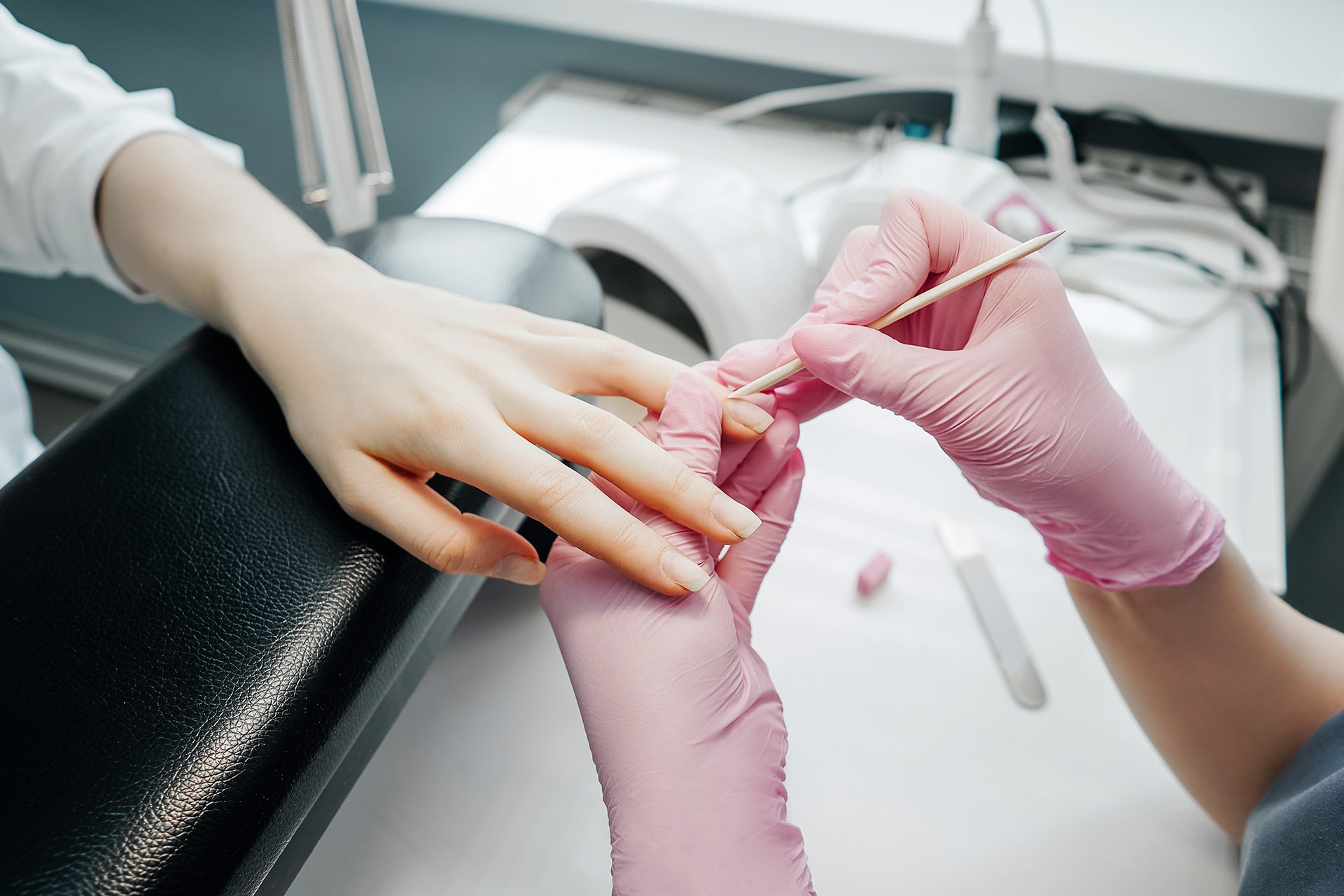
Aesthetic practitioner using their aesthetic practitioner skills to communicate to their client.
Aesthetic doctor showing facial improvements to a patient

The field of aesthetic medicine is growing rapidly in the UK and worldwide. As more individuals seek treatments that enhance their appearance and boost their confidence, the role of the aesthetic practitioner becomes increasingly vital. Whether you are a nurse, doctor, dentist, or therapist stepping into this specialised world, possessing the right aesthetic practitioner skills is crucial for success, safety, and client satisfaction. 

In this blog, we explore the essential Aesthetic practitioner skills to thrive in this dynamic and demanding industry. From clinical expertise to communication, professionalism, and ethical understanding, mastering these skills ensures you deliver outstanding results while maintaining the highest standards of care. 

Understanding the Role of an Aesthetic Practitioner 

Before diving into the specific aesthetic practitioner skills, it’s important to grasp what being an aesthetic practitioner entails. Aesthetic practitioners provide non-surgical cosmetic treatments such as Botox, dermal fillers, chemical peels, and skin rejuvenation procedures. Their work enhances clients’ appearance while promoting natural, balanced results.

This role requires a blend of medical knowledge and artistic sensibility. Practitioners must not only understand facial anatomy and treatment techniques but also appreciate each client’s unique features and goals.

In the UK, there is an increasing emphasis on regulation and safety within the aesthetics industry. Organisations such as the Joint Council for Cosmetic Practitioners (JCCP) are establishing frameworks to uphold practitioner standards and protect patients.

1. Clinical Competence and Medical Knowledge 

At the heart of any aesthetic practitioner skills set is clinical competence. It’s essential to have a robust understanding of anatomy, physiology, and pathology, particularly regarding the skin, muscles, and underlying structures of the face.

Knowing the detailed anatomy of the facial region helps prevent complications such as nerve damage or vascular occlusion during injectable treatments. This knowledge also enables the practitioner to tailor treatments safely and effectively to individual needs. 

In addition to anatomy, understanding the products used—such as different types of dermal fillers and neuromodulators—and their appropriate application is critical. Practitioners should stay updated with new treatment techniques, product innovations, and clinical evidence through continuous professional development.

The Care Quality Commission (CQC) in the UK regulates medical providers and offers guidance on safe practice, reinforcing the importance of clinical competence for aesthetic practitioners. 

2. Attention to Detail and Precision

Aesthetic treatments demand meticulous attention to detail. Minor errors can lead to unsatisfactory outcomes or complications. Therefore, precision is a non-negotiable skill.

When injecting fillers or neuromodulators, for instance, the practitioner must carefully control depth, angle, and volume to achieve natural-looking enhancements without overcorrection. This requires a steady hand, excellent hand-eye coordination, and a thorough pre-treatment assessment.

The ability to analyse facial symmetry, proportions, and skin condition before treatment also plays a crucial role in planning. Aesthetic practitioner skills include visual acuity and artistic judgement, blending science and creativity. 

3. Effective Communication Skills

Aesthetic medicine is inherently client-centred. Effective communication underpins every successful treatment. It begins with a detailed consultation where the practitioner listens attentively to the client’s concerns, expectations, and medical history. 

Clear explanations of procedures, benefits, risks, and aftercare build trust and manage expectations realistically. This transparency is vital for informed consent and client satisfaction. 

Good communication also extends to managing client anxiety and addressing any misconceptions about aesthetic treatments. An empathetic, reassuring approach helps clients feel comfortable and confident throughout their experience. 

Practitioners should also be adept at documenting consultations and treatment plans accurately. This documentation is essential for legal protection and continuity of care. 

4. Strong Interpersonal Skills and Empathy 

Aesthetic practitioners often work closely with clients who may be nervous, self-conscious, or uncertain. Demonstrating empathy and understanding helps foster a positive therapeutic relationship. 

Building rapport encourages clients to be honest about their desires and concerns. This openness allows the practitioner to recommend the most suitable treatments and adjust plans if necessary. 

Practitioners with strong interpersonal skills can also navigate challenging situations diplomatically. For example, when a client’s expectations are unrealistic, empathetic communication helps guide them towards achievable goals without causing offence. 

5. Commitment to Ethical Practice 

Ethics are fundamental in aesthetic medicine. The pressure to deliver perfect, youthful results can sometimes blur professional boundaries. However, an ethical aesthetic practitioner prioritises patient welfare above commercial interests. 

This involves honesty about what treatments can achieve, recognising contraindications, and declining procedures that may not be appropriate. Ethical practice also means respecting client confidentiality and adhering to relevant regulations and codes of conduct. 

In the UK, practitioners are increasingly required to register with professional bodies such as the British Association of Cosmetic Nurses (BACN) or the British College of Aesthetic Medicine (BCAM), which uphold ethical standards. 

6. Risk Management and Handling Complications 

Despite careful planning, complications can occasionally arise in aesthetic treatments. Practitioners must be equipped with the skills to identify early warning signs and respond promptly. 

This includes knowing how to manage adverse reactions like allergic responses, infections, or vascular occlusion. Having emergency protocols in place and maintaining up-to-date training in basic life support is essential. 

Aesthetic practitioner skills extend to risk assessment before treatment, ensuring clients are suitable candidates, and understanding contraindications thoroughly. Documenting any incidents and communicating transparently with clients after complications builds trust. 

The Medicines and Healthcare products Regulatory Agency (MHRA) provides guidance on safe use of medical devices and medicines used in aesthetics. 

7. Continuous Professional Development 

The aesthetics industry evolves rapidly, with new technologies and treatments emerging regularly. To stay relevant and safe, practitioners must commit to lifelong learning. 

Continuous professional development (CPD) may involve attending workshops, conferences, webinars, and accredited courses. This helps practitioners maintain high standards and incorporate innovative techniques into their practice. 

Many UK professional bodies require a minimum number of CPD hours annually to maintain membership and registration. 

8. Business Acumen and Marketing Awareness 

Many aesthetic practitioners work in private practice or run their own clinics. Therefore, business skills are vital to managing a successful aesthetic career. 

This includes understanding regulations around advertising and marketing, which are strictly governed in the UK. The Advertising Standards Authority (ASA) monitors marketing claims to ensure they are not misleading. 

Practitioners should be able to build their personal brand, manage client relationships, and utilise digital platforms effectively. A well-presented website and active social media presence can attract clients while educating the public on safe, ethical aesthetics. 

9. Technical Proficiency with Equipment 

Alongside injectable treatments, many aesthetic practitioners use technology such as lasers, IPL (intense pulsed light), and radiofrequency devices. Operating this equipment safely and effectively requires specialised training. 

Technical proficiency involves knowing device settings, contraindications, and maintenance. Understanding how to adapt protocols for different skin types and conditions also reduces risks. 

UK safety standards mandate that practitioners receive certified training for device use and adhere to manufacturer instructions. 

10. Patient Care and Aftercare Management 

Aesthetic treatment extends beyond the procedure itself. Post-treatment care is crucial for optimal results and patient satisfaction. 

Aesthetic practitioner skills include providing clear aftercare instructions and be available to address any concerns clients have during recovery. Monitoring progress and scheduling follow-up appointments demonstrates professionalism and commitment. 

Good aftercare also helps identify any delayed adverse effects early, ensuring timely intervention. 

The Importance of Regulation and Accreditation in Aesthetics 

The aesthetic industry has faced criticism in recent years due to unqualified practitioners offering treatments without adequate training. This has led to calls for tighter regulation to protect patients. 

In the UK, organisations like the Joint Council for Cosmetic Practitioners (JCCP) and the Aesthetic Complications Expert (ACE Group) work to improve standards by registering trained practitioners and promoting best practices. 

Choosing to train and practice under regulated standards is not only safer but also reassures clients. It demonstrates your commitment to professionalism and ethical care. 

How to Develop Your Aesthetic Practitioner Skills 

Starting or advancing a career in aesthetics requires deliberate effort to build these core skills. Formal training courses accredited by recognised bodies lay the foundation for clinical knowledge and practical techniques. 

Practical experience under supervision hones precision and confidence. Engaging with mentors and professional networks provides valuable insights and support. 

Investing in communication skills through workshops or coaching enhances client interactions. Staying informed about the latest industry news, research, and regulations through journals or online resources is also essential. 

Why Choose Qualia Aesthetics for Your Training? 

For aspiring and practising aesthetic practitioners seeking to elevate their skills, training with a reputable provider makes all the difference. At Qualia Aesthetics, we offer comprehensive aesthetics training courses tailored to your needs. 

Our training cover all essential aesthetic practitioner skills, from clinical theory and hands-on injection techniques to patient communication and safety protocols. With experienced trainers, small class sizes, and a supportive learning environment, we ensure you gain confidence and competence. 

Whether you are new to aesthetics or looking to expand your qualifications, Qualia Aesthetics provides the expertise and resources to help you succeed. Visit our website to learn more about how we can help you build a thriving career in aesthetic medicine. 

Conclusion 

The role of an aesthetic practitioner is as rewarding as it is challenging. Success depends on mastering a diverse range of skills, from clinical knowledge and precision to ethical practice and communication. These Aesthetic practitioner skills not only safeguard your clients but also establish your reputation in a competitive market. 

By committing to continuous learning and adhering to the highest standards, you can provide safe, effective treatments that enhance your clients’ confidence and well-being. The UK’s growing regulatory landscape reflects the importance of professional, skilled practitioners dedicated to excellence. 

If you are ready to develop your aesthetic practitioner skills and advance your career, consider professional training with a trusted provider like Qualia Aesthetics. Your journey to becoming a skilled, confident aesthetic practitioner begins with the right foundation. 

If you want to take the next step in your aesthetic career and gain the essential Aesthetic practitioner skills needed, explore the training courses at Qualia Aesthetics and join a community of professionals committed to safe, ethical, and effective aesthetic practice.